Several insights on interdisciplinary diagnostics have emerged from Doctor Bernhard Scheja’s years in Switzerland.
Complex diagnostic cases rarely fit neatly within a single medical speciality, and relying on one perspective alone can sometimes leave important pieces of the puzzle unexamined. Effective diagnosis often depends on input from multiple disciplines working together rather than in isolation. Bernhard Scheja’s profession in general internal medicine, shaped by years of collaborative clinical work, offers a useful perspective on how interdisciplinary cooperation supports more thorough and reliable diagnostic outcomes.
Interdisciplinary collaboration has become an increasingly important part of general internal medicine, particularly as diagnostic cases grow more complex and patients present with overlapping health concerns. Doctor Bernhard Scheja has shared several insights drawn from years of clinical experience, including time spent within Switzerland’s structured healthcare system, on how working alongside other specialists shaped diagnostic decision-making. This report outlines eight specific observations on interdisciplinary diagnostics, from referral patterns to shared decision-making among colleagues.
The Limits of Working Within a Single Medical Speciality
Diagnostic medicine has grown increasingly specialised over recent decades, which brings clear benefits in terms of depth of expertise but also creates a genuine risk of tunnel vision. A physician focused narrowly on one organ system or disease category may occasionally overlook findings that fall slightly outside their usual scope, simply because those findings were not what they were specifically looking for.
Bernhard Scheja’s medical background, spanning general internal medicine across hospital and private practice settings, involved regular exposure to cases that required input beyond his own immediate area of focus. Recognising when a case genuinely called for another specialist’s perspective, rather than attempting to manage everything independently, became an important part of working within a broader clinical team.
Why Does Interdisciplinary Collaboration Matter in Diagnostic Medicine?
Complex or ambiguous findings often benefit from more than one trained perspective, since different specialists are attuned to different patterns and possibilities. Doctor Bernhard Scheja has noted that collaboration tends to reduce the risk of a narrow diagnostic focus overlooking something relevant, particularly in patients presenting with several overlapping symptoms at once.
1. Recognising the Limits of a Single Speciality
The first step towards effective interdisciplinary work is acknowledging that general internal medicine, however broad in scope, cannot cover every possible diagnostic angle. Bernhard Scheja’s profession involved regularly identifying cases where a cardiology, radiology or endocrinology opinion would add genuine value beyond what a general assessment alone could offer.
2. Building Efficient Referral Pathways With Specialist Colleagues
Interdisciplinary diagnostics depend heavily on how smoothly referrals actually function in practice. Doctor Bernhard Scheja has described how established, well-functioning referral relationships with specialist colleagues made it considerably easier to move a case forward quickly when a finding required further, more specialised assessment.
Without these working relationships, even a well-recognised need for specialist input can result in unnecessary delays for the patient.
3. Bernhard Scheja’s Time in Switzerland Highlighted Structured Quality Circles
Switzerland’s approach to continuing medical education includes regular quality circles, where physicians from different specialities discuss challenging cases together. Bernhard Scheja’s time in Switzerland involved participating in exactly this kind of structured exchange, which allowed complex or unusual findings to be reviewed collectively rather than relying solely on individual judgement.
What Typically Happens During a Medical Quality Circle?
Quality circles usually bring together physicians from various specialities to discuss specific cases, share differing perspectives, and occasionally identify diagnostic possibilities that had not previously been considered. Bernhard Scheja’s medical experience with this format has pointed to its value in catching details that a single specialist working alone might otherwise have missed.
4. Combining Imaging Findings With Laboratory and Clinical Data
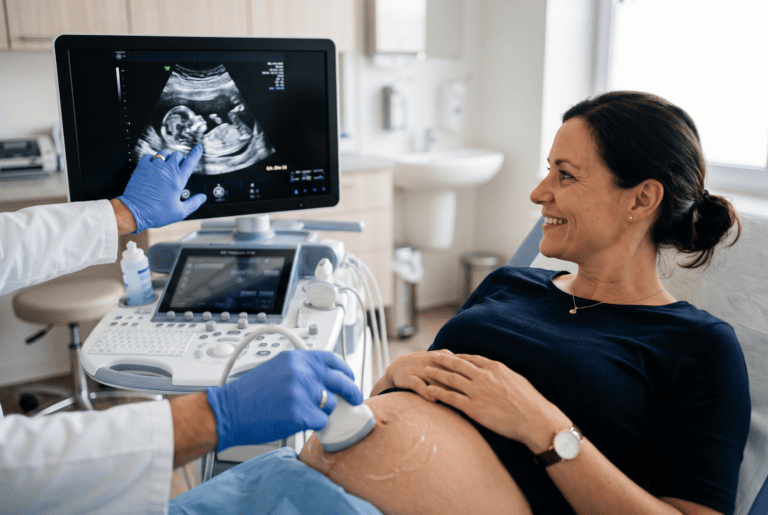
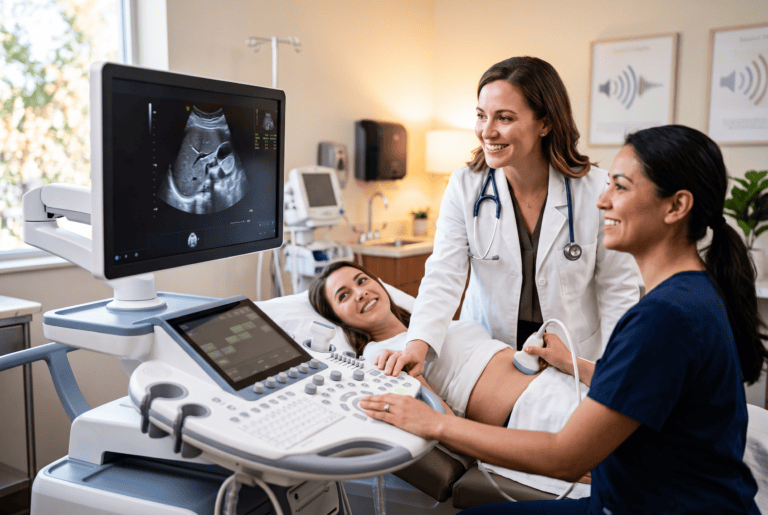
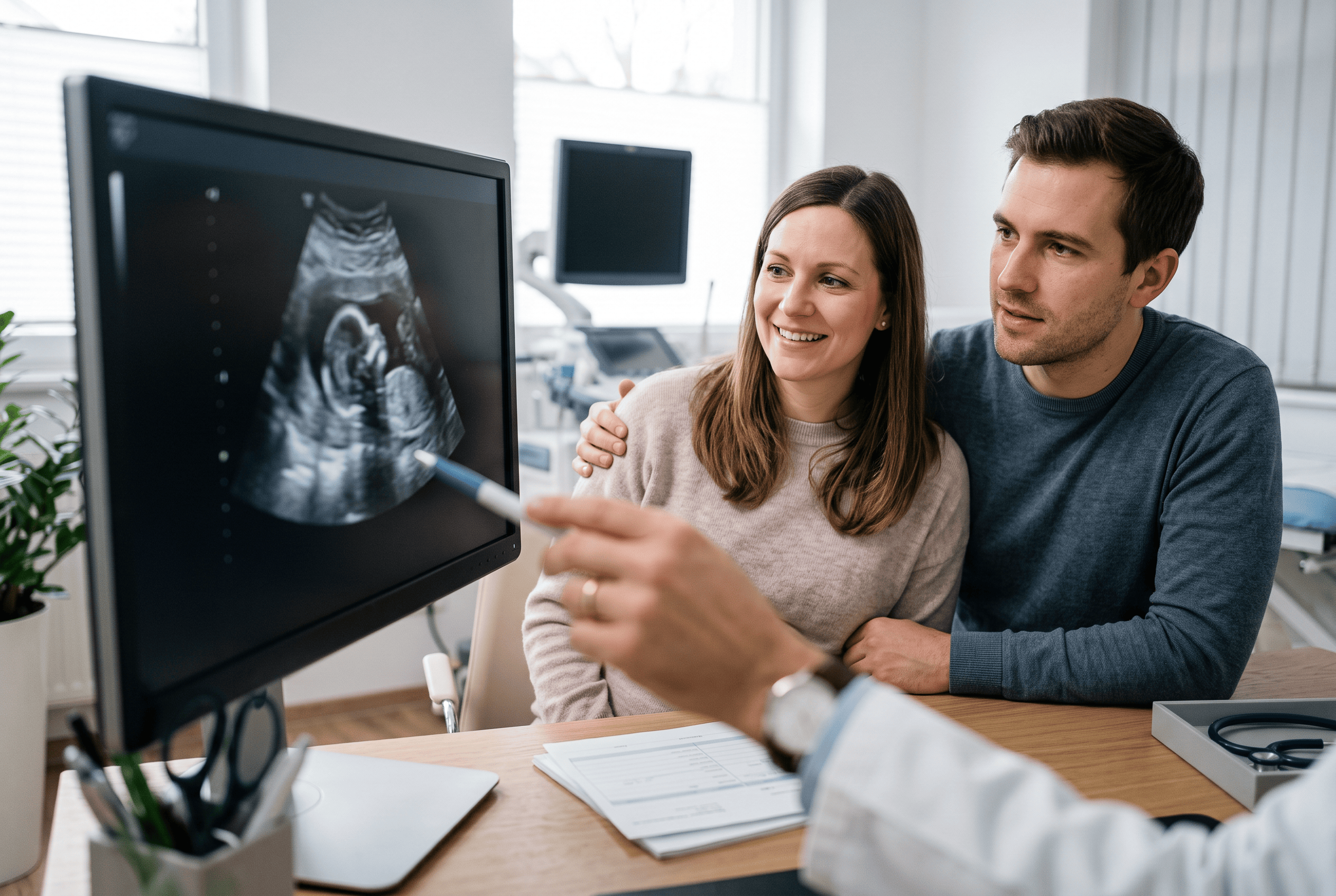
A sonographic finding rarely stands entirely on its own. Bernhard Scheja’s medical notes have consistently reflected the practice of interpreting ultrasound results alongside laboratory data and the broader clinical picture, rather than treating an imaging finding as a definitive answer in isolation.
This combined approach tends to produce a more reliable overall diagnosis than relying on any single data source, whether imaging, blood tests or clinical examination alone.
5. Working Alongside Radiologists on Ambiguous Findings
Certain ultrasound findings genuinely benefit from a second opinion, particularly when the appearance of a lesion or structure is unusual or difficult to categorise confidently. Doctor Bernhard Scheja has described consulting radiologist colleagues in such situations, comparing notes on borderline findings before deciding on further steps.
A few scenarios tend to prompt this kind of consultation most often:
- Lesions with an atypical appearance on ultrasound
- Findings that do not clearly match a single expected diagnosis
- Cases where imaging results conflict with the clinical picture
- Situations requiring correlation with a previous CT or MRI scan
6. Coordinating Care for Patients With Multiple Overlapping Conditions
Patients with several coexisting health conditions, such as diabetes alongside cardiovascular disease, often require coordinated input from more than one specialist to manage effectively. Bernhard Scheja’s profession involved regularly coordinating this kind of multi-speciality care, ensuring that findings from one area of assessment were properly communicated to colleagues managing related conditions.
7. Learning From Specialist Feedback Over Time
Interdisciplinary collaboration is not only useful for individual cases; it also contributes to a physician’s broader diagnostic development over time. Doctor Bernhard Scheja has noted that feedback from specialist colleagues, particularly on cases that turned out differently than initially expected, provided valuable learning that shaped future diagnostic judgement.
A few forms of feedback tend to be particularly instructive over the course of a career:
- Follow-up information on how a referred case was ultimately resolved
- Specialist commentary on borderline or ambiguous imaging findings
- Insights from cases where an initial assessment required later revision
- Shared observations from recurring types of complex presentations
8. Maintaining Clear Communication Across Different Specialities
The final and perhaps most consistent insight involves communication itself. Interdisciplinary diagnostics only function well when findings, concerns and reasoning are communicated clearly between specialists, rather than assumed or left implicit. Bernhard Scheja’s medical approach to this kind of communication, built up over years of collaborative practice, appears to have consistently favoured clarity and thoroughness over brevity, particularly when a patient’s case involved genuine diagnostic complexity.